

Shipping semi-truck tires efficiently requires understanding container dimensions, tire sizes, and stacking methods. Below, we break down how many tires fit in standard shipping containers.
When shipping semi truck tires, one of the most common questions is: “How many semi truck tires fit in a container?” The answer depends on the size and configuration of the container, as well as the size of the tires themselves. In this article, we’ll explore the different container sizes, the typical tire dimensions, and how they impact the number of tires that can fit inside. This guide will provide a comprehensive understanding for anyone needing to ship semi truck tires or plan logistics for tire transport.
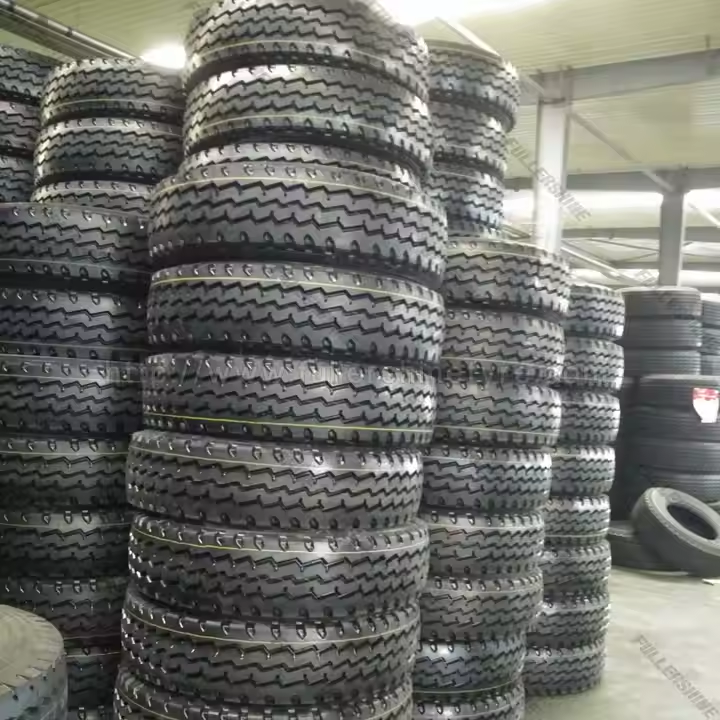
8.25R16LT __________ 500 Pcs
11R22.5 _____________ 272 Pcs
11R24.5______________ 248 Pcs
12R22.5 _____________ 238 Pcs
13R22.5 _____________ 205 Pcs
215/75R17.5 _______ 650 Pcs
225/70R19.5________ 516 Pcs
235/75R17.5_________ 650 Pcs
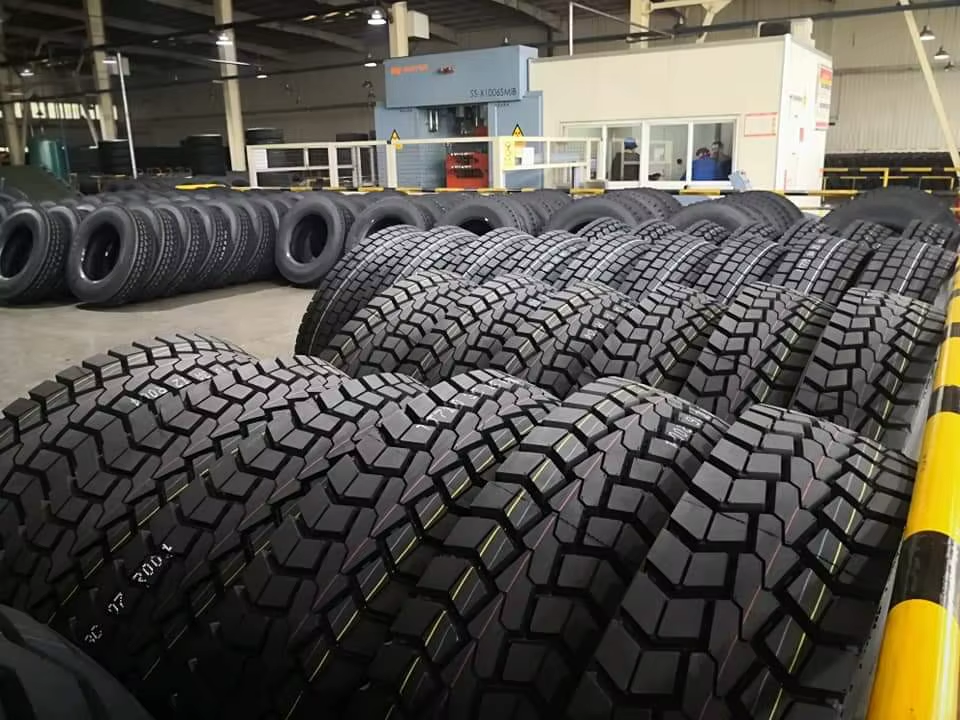
255/70R22.5 _________ 350 Pcs
285/75R24.5 _________ 260 Pcs
295/75R22.5 _________ 272 Pcs
295/80R22.5 _________ 268 Pcs
315/80R22.5 _________ 218 Pcs
385/55R22.5_________ 196 Pcs
385/65R22.5 _________ 192 Pcs
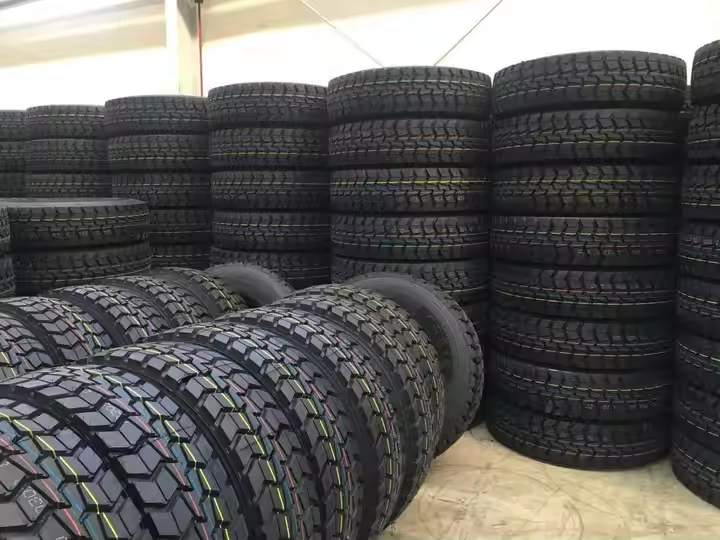
7.00R16LT ________ 767 Set
7.50R16LT ________ 676 Set
9.5R17.5 __________ 570 Set
9.00R20 __________ 320 Set
10.00R20 __________ 273 Set
11.00R20 __________ 238 Set
12.00R20 __________ 205 Set
12.00R24 _________ 192 Set
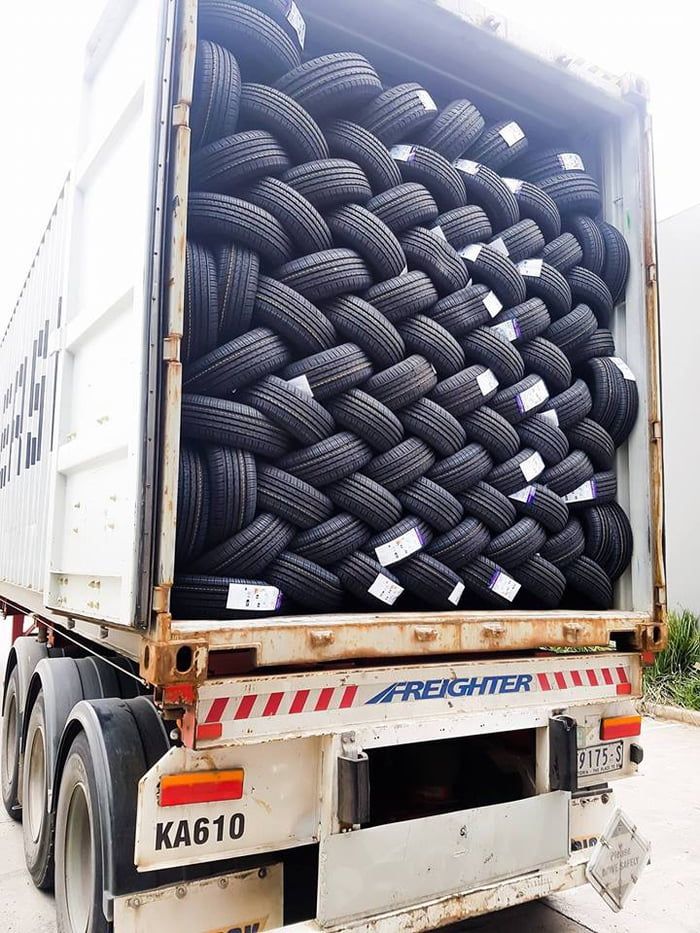
The number of semi-truck tires that can fit into a 20ft or 40ft shipping container is primarily influenced by:
5. Weight Limits: While often less of a concern for tires due to their relatively lower density compared to other cargo, the maximum payload capacity of the container (e.g., around 26-28 metric tons for a 40ft container) must be considered.